Introduction
Dreaming of an African safari is easy. Deciding where to go—and how much it will cost—is often the hard part.
One traveler might spend $1,500 on a budget camping safari in South Africa, while another pays more than $15,000 for an exclusive fly-in experience in Botswana. Both are unforgettable African safaris, yet the difference in price can be staggering. So, what explains the gap?
Safari prices vary widely across Africa because no two destinations offer the same experience. The country you choose, the type of accommodation you prefer, the time of year you travel, the length of your trip, and even the national parks you visit all influence the final price. Some destinations, like South Africa and Namibia, offer excellent value with self-drive options and a wide range of accommodations. Others, such as Botswana, focus on low-impact, high-end tourism, resulting in a significantly higher price tag.
It’s also worth remembering that the cheapest safari isn’t always the best value. A lower-priced package may exclude park fees, internal flights, meals, or game drives, leaving you with unexpected expenses once you arrive. On the other hand, a slightly more expensive safari package may include everything you need, providing a smoother, more rewarding experience and often better value for money.
In this guide, we’ll compare safari costs across Africa’s most popular safari destinations—including South Africa, Kenya, Tanzania, Botswana, Namibia, Zambia, and Zimbabwe—to help you understand what you can expect to spend and what you get for your money. We’ll also look at how travel style, accommodation level, seasonality, and park fees affect safari prices, so you can choose the destination that best matches your budget and travel goals.
Whether you’re planning your first African safari, looking for a cost-effective family adventure, or dreaming of a once-in-a-lifetime luxury escape, this safari cost comparison will help you make an informed decision and find the destination that offers the best value for your budget.
What Does an African Safari Really Cost?
One of the first questions travelers ask when planning an African safari is, “How much should I budget?” The answer depends on where you go, how you like to travel, and the type of safari experience you’re looking for.
On average, safari costs range from around $150 to more than $2,500 per person per night, with a typical 7 to 10-day safari costing anywhere from $2,000 to over $15,000 per person. While these figures may seem broad, they reflect the incredible diversity of safari experiences available across Africa—from simple camping adventures to ultra-exclusive lodges in remote wilderness areas.
Most safari packages include your accommodation, meals, game drives, an experienced guide, and road transfers, but what’s included varies between safari companies. Some packages also cover park fees, airport transfers, drinks, laundry, and internal flights, while others charge these as additional costs. Understanding what is—and isn’t—included is essential when comparing safari prices.
The table below provides a general idea of what you can expect to pay based on your preferred travel style.
Safari Style | Typical Cost (Per Person Per Night) | What You Can Expect |
|---|---|---|
Budget Safari | $150–350 | Shared transport, basic lodges or camping, standard meals, scheduled game drives, and simple but comfortable accommodation. |
Mid-Range Safari | $350–700 | Comfortable safari lodges or tented camps, quality meals, experienced guides, more personalized service, and excellent wildlife viewing. |
Luxury Safari | $700–2,500+ | High-end lodges or luxury tented camps, gourmet dining, premium service, spacious suites, and often additional experiences such as private game drives. |
Ultra-Luxury Safari | $2,500+ | Exclusive-use villas or remote luxury camps, private guides and vehicles, charter flights, fine dining, spa facilities, and exceptional personalized service. |
Budget Safaris
A budget safari is ideal for travelers who want to experience Africa’s incredible wildlife without spending a fortune. These safaris often involve shared safari vehicles, basic lodges, campsites, or permanent tented camps. Meals are usually included, and you’ll enjoy guided game drives alongside other guests.
Some budget safaris keep costs low by staying outside national parks or using public campsites, although you’ll still need to factor in park entrance fees, which may be charged separately depending on the safari company.
Mid-Range Safaris
For many travelers, a mid-range safari offers the best balance between comfort, value, and unforgettable wildlife experiences. You’ll typically stay in well-appointed lodges or comfortable tented camps with private bathrooms, enjoy quality meals, and travel with experienced guides in smaller safari vehicles.
Most mid-range safari packages include accommodation, meals, game drives, transfers, and park fees, making budgeting much easier. This category is particularly popular with couples, families, and first-time safari visitors.
Luxury Safaris
Luxury safaris take the experience to another level. Think elegant safari lodges overlooking watering holes, beautifully furnished tented suites, gourmet cuisine, infinity pools, spa treatments, and exceptional personal service.
Many luxury packages include extras such as drinks, laundry, private transfers, and exclusive wildlife experiences. Some also offer private safaris, allowing you to enjoy flexible game drives without sharing your vehicle with other guests.
Ultra-Luxury Safaris
At the very top end of the market are Africa’s ultra-luxury safari experiences. These are designed for travelers seeking complete exclusivity and personalized service. Expect private villas or intimate camps in remote concessions, charter flights between destinations, dedicated guides, private chefs, and tailor-made itineraries.
While these safaris come with a higher price tag, they deliver some of the most extraordinary wildlife encounters in Africa, often with very few other visitors nearby.
Ultimately, the final price of your safari depends on much more than your accommodation level. The country you visit, the season you travel, park and concession fees, internal flights, and the length of your trip all play a significant role. In the next section, we’ll break down the key factors that influence safari costs before comparing Africa’s top safari destinations side by side.
What Affects the Cost of an African Safari?
No two African safaris are priced the same because every itinerary is built differently. While accommodation is often the biggest expense, several other factors influence the final price of your trip. Understanding these costs will help you compare safari packages more accurately and choose the experience that offers the best value for your budget.
National Park Fees
One of the biggest factors affecting safari costs is national park and conservation fees. These fees are charged by governments or wildlife authorities to protect ecosystems, maintain park infrastructure, fund anti-poaching initiatives, and support conservation projects and local communities.
Depending on the destination, park fees can account for up to 30% of the total cost of a safari. This is one of the main reasons why safaris in some countries are significantly more expensive than others.
Here are some examples of Africa’s most famous safari destinations:
Serengeti National Park (Tanzania) – One of Africa’s most iconic wildlife destinations, the Serengeti is world-renowned for the Great Migration. Entrance fees are among the highest in East Africa, and visitors often combine the park with nearby conservation areas, increasing overall costs.
Maasai Mara National Reserve (Kenya) – Famous for its incredible year-round wildlife and dramatic river crossings during the Great Migration, the Maasai Mara also has substantial park entrance fees. Travelers staying in private conservancies surrounding the reserve may pay additional conservation fees, but they benefit from fewer vehicles and more exclusive game viewing.
Ngorongoro Crater (Tanzania) – Visiting this UNESCO World Heritage Site comes with an additional crater service fee on top of standard park entrance charges. Although it increases the price of a Tanzania safari, many visitors consider the unique wildlife concentration inside the crater well worth the extra expense.
Okavango Delta (Botswana) – Botswana follows a high-value, low-volume tourism model. In addition to national park fees, many luxury camps operate in private concessions where guests pay concession fees that help protect one of Africa’s most pristine wilderness areas. These costs contribute to Botswana’s reputation as one of the continent’s most expensive safari destinations.
It’s worth noting that park fees are usually charged per person per day, so the longer you spend inside protected areas, the more your safari will cost. Some safari packages include these fees in the advertised price, while others list them separately. Always check what’s included before comparing quotations.
Although these fees may seem expensive at first glance, they play a vital role in preserving Africa’s extraordinary wildlife and habitats. Your contribution helps fund conservation, supports local communities, maintains roads and visitor facilities, and ensures that future generations can continue to experience these remarkable landscapes. In many cases, paying a little more in park fees directly supports the long-term sustainability of the very wildlife you’re traveling to see.
Accommodation Level
The type of accommodation you choose is one of the biggest factors affecting the cost of an African safari. From simple campsites to world-renowned luxury lodges, there is an option for almost every budget and travel style.
Camping
Camping is the most affordable way to experience an African safari. Depending on the destination, you’ll either stay in public campsites or private safari camps, usually in dome tents or simple canvas tents. Facilities are basic, and in many cases you’ll share bathrooms and dining areas with other travelers.
Camping safaris are particularly popular in Namibia, South Africa, Kenya, and Tanzania, making them an excellent choice for backpackers, solo travelers, and anyone looking to maximize wildlife experiences while keeping costs low.
Budget Lodges
Budget lodges offer comfortable accommodation without the premium price tag. Rooms are usually simple but clean, with private bathrooms, comfortable beds, and restaurant facilities. While they may not have luxury amenities, they provide excellent value and are often located just outside national parks where accommodation costs are lower.
Mid-Range Lodges
Mid-range lodges are the most popular choice for first-time safari visitors. Expect spacious rooms, quality dining, swimming pools, beautiful surroundings, and knowledgeable guides. These lodges strike an excellent balance between comfort, service, and affordability, making them ideal for couples, families, and small groups.
Luxury Tented Camps
Luxury tented camps combine the excitement of sleeping close to nature with the comforts of a high-end hotel. Despite the name, these are far from basic tents. Most feature king-sized beds, en-suite bathrooms, private decks, fine dining, and personalized service. Many overlook rivers or waterholes, allowing guests to watch wildlife without leaving camp.
Ultra-Luxury Safari Lodges
At the very top end of the market are ultra-luxury safari lodges. These exclusive properties often accommodate only a handful of guests, offering complete privacy, exceptional service, gourmet cuisine, spa facilities, plunge pools, and breathtaking locations. Many include private butlers, dedicated guides, and tailor-made safari experiences.
While these lodges command premium prices, they deliver an unmatched level of comfort and exclusivity, making them popular for honeymooners, milestone celebrations, and luxury travelers.
Shared vs Private Safaris
Another major factor influencing safari costs is whether you choose a shared safari or a private experience.
Shared Safaris
Shared safaris are the most cost-effective option. You’ll travel with other guests in the same safari vehicle, sharing the guide and transportation costs. Although your daily schedule is fixed, shared safaris provide excellent value and are ideal for solo travelers, couples, and small groups who don’t mind meeting fellow wildlife enthusiasts.
Private Safaris
A private safari gives you exclusive use of both the safari vehicle and your guide. You can spend as much time as you like at wildlife sightings, tailor your daily schedule, and enjoy a more personalized experience. Private safaris generally cost 30–60% more than shared tours because the vehicle and guide are reserved solely for your party.
Luxury Private Safaris
Luxury private safaris take exclusivity a step further. In addition to a private guide and vehicle, these experiences often include stays at exclusive lodges or private concessions, gourmet dining, premium beverages, and customized itineraries. They are perfect for photographers, families, honeymooners, or anyone seeking complete flexibility and privacy.
Internal Flights
While many safari destinations are accessible by road, some of Africa’s most spectacular wilderness areas are so remote that internal flights become the most practical—and sometimes the only—way to reach them.
Botswana
Many luxury camps in the Okavango Delta are accessible only by light aircraft. These scenic bush flights save hours of driving and provide spectacular aerial views of the delta, but they also add significantly to the overall safari cost.
Northern Tanzania
Travelers combining destinations such as the Serengeti National Park, Ngorongoro Crater, and Zanzibar often choose domestic flights to reduce travel time. While road transfers remain an option for many itineraries, flying allows visitors to maximize their time enjoying wildlife rather than spending long hours on the road.
Remote Private Concessions
Across Africa, some of the most exclusive safari camps are located in private concessions far from major towns and roads. Whether in Botswana, Zambia, Zimbabwe, or parts of Tanzania, charter or scheduled bush flights are often required to reach these remote wilderness areas. Although they increase the overall cost, they also provide access to quieter regions with fewer visitors and exceptional wildlife viewing.
Time of Year
When you travel can have just as much impact on your budget as where you travel. Safari prices fluctuate throughout the year based on weather, wildlife viewing, and visitor demand.
Peak Season
Peak season typically coincides with the dry months, when wildlife gathers around rivers and waterholes, making animals easier to spot. In destinations such as Tanzania and Kenya, peak season generally runs from July to September, coinciding with the famous Great Migration.
Because demand is highest during this period, accommodation, park fees, and safari packages often cost 20–30% more than at other times of the year.
High Season
High season includes other busy travel periods such as school holidays, Christmas, New Year, and major public holidays. Availability becomes limited, particularly at popular lodges, so booking well in advance is highly recommended.
Shoulder Season
The shoulder season—typically January, February, November, and early December in many safari destinations—offers an excellent balance between price and experience. Wildlife viewing remains very good, visitor numbers are lower, and many lodges offer attractive discounts.
For many travelers, this is the best time to enjoy an outstanding safari while avoiding peak-season prices.
Green Season
The green season, often referred to as the rainy season, usually brings the lowest safari prices. In Tanzania, for example, the green season generally falls between March and May. During this period, many lodges reduce their rates by 20–50%, making luxury accommodation far more affordable.
Although occasional rain can make game viewing more challenging, the landscapes are lush, birdlife is abundant, and there are far fewer vehicles in the parks. For photographers and budget-conscious travelers, the green season can offer exceptional value without compromising the overall safari experience.
Safari Cost Comparison by Country
Now that you understand what influences the cost of an African safari, let’s compare the continent’s most popular safari destinations. While every country offers incredible wildlife experiences, they differ significantly in terms of price, accessibility, accommodation options, and overall value.
Whether you’re looking for a budget-friendly self-drive adventure, a classic Big Five safari, or an exclusive luxury escape, this comparison will help you choose the destination that best suits your travel style and budget.
South Africa – Best Overall Value for Money
South Africa is widely regarded as one of the most affordable and accessible safari destinations in Africa. Thanks to excellent infrastructure, a wide variety of accommodation options, and the ability to self-drive through some of the country’s best wildlife reserves, it’s an excellent choice for first-time visitors and travelers looking for great value.
Unlike many safari destinations that require guided tours, South Africa gives visitors the flexibility to tailor their safari experience to almost any budget. You can spend the day exploring world-class wildlife reserves before relaxing at a comfortable lodge, or combine your safari with time in Cape Town, the Garden Route, or the Winelands for a well-rounded South African adventure.
Average Safari Costs
Travel Style | Average Cost (Per Person Per Night) |
|---|---|
Budget | $150–300 |
Mid-range | $300–600 |
Luxury | $700–1,500+ |
One of South Africa’s biggest advantages is that a self-drive safari can reduce costs considerably, making it one of the most cost-effective safari destinations in Africa.
Best Parks
South Africa is home to numerous excellent wildlife reserves, including:
Kruger National Park – Africa’s most famous safari destination and one of the best places to see the Big Five.
Addo Elephant National Park – Renowned for its large elephant population.
Hluhluwe-iMfolozi Park – Famous for rhino conservation.
Pilanesberg National Park – An excellent safari option close to Johannesburg.
Kruger National Park
The Kruger National Park is South Africa’s flagship safari destination, covering nearly 20,000 square kilometres. Visitors can choose between self-drive routes, guided game drives, public camps, private lodges, or luxury safari camps, making it suitable for almost every budget.
Its excellent road network allows independent travelers to enjoy an authentic safari without hiring a guide, something that is difficult or impossible in many other African countries.
Private Reserves
Bordering Kruger are some of Africa’s finest private reserves, including Sabi Sand, Timbavati, and Manyeleti. These reserves offer exclusive game drives, luxury accommodation, off-road tracking, and fewer safari vehicles, resulting in more intimate wildlife encounters.
While considerably more expensive than self-driving Kruger, they provide an exceptional safari experience with highly trained guides and trackers.
Self-Drive Option
South Africa is arguably the best destination in Africa for a self-drive safari. Rental cars are widely available, roads are well maintained, and national parks are clearly signposted. Self-driving allows travelers to set their own pace while significantly reducing overall safari costs.
Who It Suits
South Africa is ideal for:
First-time safari visitors
Families
Budget-conscious travelers
Couples
Road trip enthusiasts
Travelers wanting to combine a safari with Cape Town or a beach holiday
Pros
Excellent value for money
Wide range of accommodation options
Self-drive safaris keep costs low
Outstanding wildlife viewing
Easy international access
Perfect for combining safari with beaches, wine regions, or city experiences
Cons
Popular areas can become busy during peak season.
Private reserves are considerably more expensive than national parks.
Self-driving requires confidence behind the wheel and careful trip planning.
Value Rating
⭐⭐⭐⭐⭐ 5/5 – Best Overall Value
South Africa offers the best combination of affordability, wildlife, accessibility, and flexibility, making it one of the top choices for first-time safari travelers.
Kenya – The Classic African Safari
Kenya is where the classic African safari was born. Vast savannahs, dramatic acacia trees, abundant wildlife, and the world-famous Maasai Mara National Reserve have made Kenya one of Africa’s most iconic safari destinations.
While generally more expensive than South Africa, Kenya remains excellent value, particularly for travelers wanting to witness the Great Migration or experience East Africa’s spectacular wildlife. Many visitors also combine their safari with a relaxing beach holiday along the Indian Ocean coast, creating the perfect bush-and-beach itinerary.
Typical Safari Costs
Travel Style | Average Cost (Per Person Per Night) |
|---|---|
Budget | $200–350 |
Mid-range | $350–700 |
Luxury | $800–2,000+ |
Prices vary depending on the season, the location of your accommodation, and whether you stay inside the reserve or in a nearby conservancy.
Maasai Mara National Reserve
The Maasai Mara National Reserve is Kenya’s most celebrated safari destination and one of the best places in Africa to see lions, cheetahs, elephants, leopards, and buffalo. Between July and October, millions of wildebeest and zebras cross the Mara River during the spectacular Great Migration, attracting visitors from around the world.
Because of its popularity, accommodation and park fees are highest during this period, so booking well in advance is essential.
Private Conservancies
One of Kenya’s greatest strengths is its network of private conservancies surrounding the Maasai Mara. These conservancies offer a more exclusive safari experience with fewer vehicles, excellent guiding, and additional activities such as walking safaris and night game drives, which are not permitted in the main reserve.
Although conservancy fees increase the overall price, many travelers feel the improved game viewing and quieter environment are well worth the extra cost.
Great Migration
The Great Migration is one of the world’s greatest wildlife spectacles. Watching thousands of wildebeest cross crocodile-filled rivers is a bucket-list experience that draws visitors from across the globe.
This incredible event also drives demand, making July through October Kenya’s most expensive safari period.
Who It Suits
Kenya is ideal for:
First-time safari visitors
Wildlife photographers
Great Migration enthusiasts
Families
Couples
Travelers wanting to combine safari with a beach holiday
Pros
Home to the world-famous Maasai Mara
Exceptional Big Five wildlife viewing
Outstanding safari guides
Incredible Great Migration experience
Easy combination with the Kenyan coast
Excellent range of safari accommodations
Cons
Park fees have increased in recent years.
Peak-season accommodation can be expensive.
Popular wildlife sightings may attract more safari vehicles during the migration.
Value Rating
⭐⭐⭐⭐☆ 4.5/5 – Outstanding Value for Wildlife Lovers
Kenya offers an unforgettable safari experience with world-class wildlife and excellent tourism infrastructure. While it costs more than South Africa, the combination of the Maasai Mara, private conservancies, and the Great Migration makes it one of the best-value safari destinations for travelers seeking the classic East African safari.
Tanzania – Iconic Wildlife and Unforgettable Landscapes
If you’re looking for the quintessential East African safari, Tanzania is hard to beat. Home to the world-famous Serengeti National Park and the spectacular Ngorongoro Crater, Tanzania offers some of the finest wildlife experiences on the continent. From witnessing the Great Migration to exploring vast savannahs dotted with acacia trees and ancient baobabs, this is the Africa many travelers dream about.
Tanzania is generally more expensive than Kenya, largely due to higher park fees, longer travel distances between parks, and the frequent need for internal flights on certain itineraries. However, for many visitors, the incredible scenery and exceptional wildlife make every dollar worthwhile.
Average Safari Costs
Travel Style | Average Cost (Per Person Per Night) |
|---|---|
Budget | $250–400 |
Mid-range | $400–800 |
Luxury | $800–2,500+ |
Longer safaris that combine several parks naturally increase the overall cost, but they also provide a richer and more varied safari experience.
Serengeti National Park
The Serengeti National Park is one of Africa’s greatest wildlife destinations. Covering almost 15,000 square kilometres, it is nearly 20 times larger than Kenya’s Maasai Mara, offering vast open plains, incredible predator sightings, and an astonishing diversity of wildlife.
The Serengeti is best known for the Great Migration, when more than two million wildebeest, zebras, and gazelles move across the ecosystem in search of fresh grazing. Because the migration moves throughout the year, visitors can enjoy different stages of this remarkable spectacle depending on when they travel.
Ngorongoro Crater
The Ngorongoro Crater is one of Tanzania’s most unique safari destinations. Formed by the collapse of an ancient volcano, this UNESCO World Heritage Site contains one of the highest concentrations of wildlife in Africa.
Within a single game drive, it’s possible to see lions, elephants, buffalo, hippos, flamingos, hyenas, and the endangered black rhino. The crater is often included in northern Tanzania safari itineraries, although visitors should note that an additional crater service fee applies on top of the standard park entrance fees.
Tarangire National Park
Although often overshadowed by the Serengeti, Tarangire National Park is one of Tanzania’s hidden gems. It is famous for its enormous elephant herds, ancient baobab trees, and excellent predator sightings during the dry season.
Because Tarangire receives fewer visitors than the Serengeti or Ngorongoro, it offers a quieter safari experience while still delivering exceptional game viewing.
Lake Manyara National Park
Nestled beneath the Great Rift Valley escarpment, Lake Manyara National Park is renowned for its scenic beauty, diverse birdlife, and famous tree-climbing lions. Although smaller than Tanzania’s other major parks, it makes an excellent stop on a northern safari circuit and adds variety to longer itineraries.
The Great Migration
The Great Migration is undoubtedly Tanzania’s biggest attraction. Depending on the time of year, visitors can witness dramatic river crossings, vast herds stretching to the horizon, or thousands of calves being born on the southern plains.
Peak migration months attract visitors from around the world, resulting in higher accommodation rates and increased demand for safari lodges.
Park Fees
Tanzania has some of the highest conservation and park fees in Africa. Entrance fees for parks such as the Serengeti and Ngorongoro, combined with conservation charges and crater service fees, can account for a significant portion of your safari budget.
Although these fees increase the overall cost, they play a vital role in protecting Tanzania’s remarkable ecosystems and wildlife.
Internal Flights
Because Tanzania’s safari destinations are spread across large distances, many travelers choose domestic flights to reduce travel time.
Internal flights are particularly common when:
Combining the Serengeti with Zanzibar.
Visiting remote luxury camps in the Serengeti.
Connecting multiple safari regions efficiently.
While road transfers remain a popular option for the Northern Circuit, flying allows you to spend more time enjoying wildlife and less time travelling.
Who It Suits
Tanzania is perfect for:
First-time safari visitors
Great Migration enthusiasts
Wildlife photographers
Honeymooners
Luxury travelers
Anyone wanting Africa’s most iconic safari landscapes
Pros
Home to the Serengeti National Park
Incredible Great Migration experiences
World-famous Ngorongoro Crater
Outstanding wildlife diversity
Beautiful luxury lodges and tented camps
Easy to combine with a Zanzibar beach holiday
Cons
Higher park fees than many other destinations
Longer travel distances between parks
Internal flights may be required for some itineraries
Peak season accommodation can be expensive
Value Rating
⭐⭐⭐⭐☆ 4.5/5 – Best for Iconic Safari Experiences
Tanzania offers some of the most spectacular wildlife encounters anywhere in Africa. While it comes with a higher price tag than South Africa or Kenya, the combination of the Serengeti, Ngorongoro Crater, and the Great Migration makes it one of the world’s premier safari destinations.
Botswana – Africa’s Ultimate Luxury Safari Destination
Botswana has built its tourism industry around a simple philosophy: high-value, low-impact tourism. Rather than attracting large numbers of visitors, the country limits development in many wilderness areas, creating exclusive safari experiences with fewer vehicles, pristine landscapes, and exceptional wildlife viewing.
As a result, Botswana is one of the most expensive safari destinations in Africa—but also one of the most rewarding for travelers seeking privacy, luxury, and untouched wilderness.
Average Safari Costs
Travel Style | Average Cost (Per Person Per Night) |
|---|---|
Budget | Limited availability |
Mid-range | $500–900 |
Luxury | $900–3,000+ |
Unlike many other safari countries, true budget safaris are relatively uncommon in Botswana because much of the tourism infrastructure caters to premium travelers.
Okavango Delta
The Okavango Delta is one of Africa’s most extraordinary natural wonders. Every year, floodwaters from Angola transform the Kalahari Desert into a vast inland delta filled with channels, lagoons, islands, and floodplains teeming with wildlife.
Guests can explore the delta by traditional mokoro canoe, boat, walking safari, or game drive, often seeing elephants, hippos, lions, leopards, wild dogs, and hundreds of bird species.
The exclusivity of the Okavango Delta is one of the main reasons Botswana commands such high safari prices.
Chobe National Park
Chobe National Park is famous for having one of the largest elephant populations in Africa, with tens of thousands of elephants roaming its forests and riverbanks.
Boat safaris along the Chobe River provide a unique perspective, allowing visitors to observe elephants swimming, buffalo crossing the river, crocodiles basking on the banks, and abundant birdlife.
Many travelers combine Chobe with nearby Victoria Falls, creating one of Southern Africa’s most popular safari itineraries.
Luxury Focus
Botswana is synonymous with luxury. Most lodges accommodate only a small number of guests, offering spacious suites, gourmet dining, exceptional guiding, and highly personalized service.
Many safari packages include premium drinks, laundry services, guided activities, and charter flights between camps, making the experience seamless from start to finish.
Fly-In Safaris
Many of Botswana’s most spectacular camps are inaccessible by road. Guests typically travel by light aircraft from one remote airstrip to another before transferring to camp.
Although these scenic flights add significantly to the overall safari cost, they also provide breathtaking aerial views of the Okavango Delta and allow visitors to reach some of Africa’s most secluded wilderness areas.
Private Concessions
A major advantage of Botswana is its extensive network of private concessions. Unlike public national parks, these exclusive areas allow activities such as off-road driving, night game drives, and guided walking safaris.
Because visitor numbers are strictly controlled, wildlife sightings are often more intimate and far less crowded than in many other safari destinations.
Who It Suits
Botswana is ideal for:
Luxury travelers
Honeymooners
Wildlife photographers
Repeat safari visitors
Travelers seeking exclusivity
Those wanting pristine wilderness with few crowds
Pros
Exceptional wildlife viewing
Spectacular Okavango Delta
Outstanding elephant encounters in Chobe
Highly experienced guides
Very few safari vehicles
Some of Africa’s finest luxury lodges
Cons
One of the most expensive safari destinations in Africa
Limited options for budget travelers
Fly-in safaris increase overall costs
Fewer self-drive opportunities than South Africa or Namibia
Value Rating
⭐⭐⭐⭐☆ 4.5/5 – Best Luxury Safari Destination
Botswana isn’t the cheapest place to go on safari, but if your budget allows, it offers one of the finest wildlife experiences on the planet. Its commitment to conservation, exclusive safari model, and extraordinary landscapes make it a destination that’s worth every penny for travelers seeking an unforgettable luxury safari.
Namibia – The Best Destination for Self-Drive Safari Adventures
Namibia offers a safari experience unlike anywhere else in Africa. Instead of dense forests or endless grasslands, you’ll discover dramatic desert landscapes, towering sand dunes, rugged mountains, and wide-open plains teeming with wildlife. Combined with excellent roads, low visitor numbers, and outstanding infrastructure, Namibia has become one of the continent’s best destinations for independent travelers.
Unlike many African safari countries where guided tours are the norm, Namibia is built for self-drive adventures. This flexibility allows visitors to travel at their own pace while significantly reducing safari costs, making Namibia one of Africa’s best-value safari destinations.
Average Safari Costs
Travel Style | Average Cost (Per Person Per Night) |
|---|---|
Budget | $150–300 |
Mid-range | $300–600 |
Luxury | $600–1,500+ |
Travelers willing to camp or self-drive can enjoy an incredible safari at a fraction of the cost of many East African destinations.
Etosha National Park
The highlight of any Namibia safari is Etosha National Park, one of Africa’s premier wildlife reserves. The vast Etosha Pan attracts huge numbers of animals during the dry season, with elephants, lions, rhinos, giraffes, zebras, cheetahs, and countless antelope species gathering around permanent waterholes.
Many of Etosha’s waterholes are floodlit at night, allowing guests staying inside the park to enjoy unforgettable wildlife sightings without leaving camp.
Self-Drive Safaris
Namibia is widely considered the easiest country in Africa for a self-drive safari. Well-maintained roads, clear signage, reliable vehicle rental companies, and excellent tourist infrastructure make independent travel both safe and straightforward.
Self-driving eliminates the cost of hiring a private guide and safari vehicle, allowing travelers to invest more of their budget in accommodation or extending their trip.
Camping
Camping is extremely popular in Namibia and offers one of the most affordable ways to experience the country’s incredible landscapes. Campsites are generally clean, well-equipped, and often located in spectacular settings, from national parks to private reserves.
For travelers seeking adventure without spending a fortune, camping delivers exceptional value.
Road Trips
One of Namibia’s biggest attractions is the opportunity to combine a safari with an unforgettable road trip. Many visitors travel between Etosha National Park, Sossusvlei, Swakopmund, Damaraland, and the Skeleton Coast, experiencing an incredible variety of scenery in one journey.
Unlike destinations where the safari is the entire holiday, Namibia offers a diverse travel experience that combines wildlife, adventure, and breathtaking landscapes.
Excellent Value
Accommodation, fuel, park fees, and vehicle rental are generally more affordable than in many neighboring safari destinations. Combined with the flexibility of self-driving, Namibia consistently ranks among Africa’s best-value countries for travelers who enjoy independent exploration.
Who It Suits
Namibia is ideal for:
Self-drive enthusiasts
Budget-conscious travelers
Couples
Families
Road trip lovers
Landscape photographers
Repeat visitors to Africa
Pros
Outstanding self-drive infrastructure
Excellent value for money
Incredible desert landscapes
Superb wildlife in Etosha National Park
Fantastic camping facilities
Low visitor numbers
Cons
Wildlife is more spread out than in East Africa.
Long driving distances between attractions.
Fewer traditional luxury safari experiences than Botswana or Tanzania.
Value Rating
⭐⭐⭐⭐⭐ 5/5 – Best Self-Drive Safari Destination
For independent travelers seeking flexibility, affordability, and spectacular scenery, Namibia is difficult to beat. It offers one of the best-value safari experiences in Africa.
Zambia – Africa’s Best Destination for Authentic Walking Safaris
Zambia remains one of Africa’s best-kept safari secrets. While it may not receive the same attention as Kenya or Tanzania, it delivers some of the continent’s most authentic wildlife experiences. Vast national parks, exceptional guiding standards, and remarkably few visitors create an intimate safari unlike anywhere else.
Rather than focusing on luxury tourism alone, Zambia emphasizes genuine wilderness experiences, making it a favorite among seasoned safari enthusiasts and wildlife photographers.
Average Safari Costs
Travel Style | Average Cost (Per Person Per Night) |
|---|---|
Budget | $250–400 |
Mid-range | $450–800 |
Luxury | $800–2,000+ |
Although Zambia is not the cheapest safari destination, the quality of guiding and exclusivity provide excellent value for travelers seeking a more immersive experience.
South Luangwa National Park
Often referred to as the birthplace of the walking safari, South Luangwa National Park is renowned for its exceptional leopard sightings, healthy populations of lions, elephants, buffalo, and abundant birdlife.
The Luangwa River attracts wildlife throughout the dry season, creating some of Africa’s finest game viewing opportunities.
Lower Zambezi National Park
Located along the mighty Zambezi River, Lower Zambezi National Park offers a unique combination of game drives, canoe safaris, boat cruises, fishing, and walking safaris.
Watching elephants feed along the riverbanks while hippos and crocodiles drift nearby creates an unforgettable wilderness experience unlike any other in Africa.
Walking Safaris
Zambia is internationally recognised as the home of the walking safari. Accompanied by highly trained guides and armed wildlife scouts, visitors explore the bush on foot, learning to track animals, identify birds, and appreciate the smaller details often missed from a vehicle.
For many experienced safari travelers, walking safaris provide the most rewarding wildlife encounters of all.
Remote Wilderness
Many of Zambia’s parks remain wonderfully undeveloped, preserving an authentic wilderness atmosphere. Visitors often spend hours exploring without encountering another safari vehicle, making the experience feel truly exclusive despite being less expensive than many luxury destinations.
Smaller Crowds
Unlike some of Africa’s busiest parks, Zambia offers peaceful game viewing with remarkably few tourists. This allows for longer wildlife sightings and a stronger sense of connection with nature.
Who It Suits
Zambia is ideal for:
Experienced safari travelers
Wildlife photographers
Birdwatchers
Adventure travelers
Couples
Travelers seeking fewer crowds
Pros
Outstanding walking safaris
Excellent professional guides
Incredible wildlife
Authentic wilderness experience
Very few safari vehicles
Exceptional birdwatching
Cons
Fewer accommodation options than Kenya or South Africa.
Domestic flights are often needed for multi-park itineraries.
Less suited to travelers looking for a self-drive safari.
Value Rating
⭐⭐⭐⭐⭐ 5/5 – Best for Authentic Safari Experiences
For travelers who value expert guiding, uncrowded parks, and genuine wilderness over luxury alone, Zambia offers one of Africa’s most rewarding safari experiences.
Zimbabwe – Outstanding Wildlife at Exceptional Value
Zimbabwe is one of Africa’s most underrated safari destinations. Despite offering world-class wildlife, highly experienced guides, and iconic national parks, it often receives fewer visitors than neighboring countries. This translates into excellent value and wonderfully uncrowded safari experiences.
Many travelers combine a Zimbabwe safari with a visit to Victoria Falls, creating one of Southern Africa’s most popular travel itineraries.
Average Safari Costs
Travel Style | Average Cost (Per Person Per Night) |
|---|---|
Budget | $200–350 |
Mid-range | $350–700 |
Luxury | $700–2,000+ |
Zimbabwe generally offers comparable wildlife experiences to several higher-priced destinations while maintaining competitive accommodation and guiding rates.
Hwange National Park
Hwange National Park is Zimbabwe’s largest wildlife reserve and is famous for its enormous elephant population, thriving predator numbers, and excellent year-round game viewing.
The park offers a mix of public and private concessions, providing options for every type of traveler.
Mana Pools National Park
A UNESCO World Heritage Site, Mana Pools National Park is widely regarded as one of Africa’s greatest walking safari destinations. Located along the Zambezi River, it is famous for its canoe safaris, walking safaris, and close encounters with elephants, lions, wild dogs, and hippos.
The park’s remote location and limited visitor numbers make every safari feel exclusive.
Victoria Falls
No trip to Zimbabwe is complete without visiting Victoria Falls, one of the Seven Natural Wonders of the World. Many safari itineraries begin or end here, allowing visitors to combine wildlife viewing with activities such as helicopter flights, white-water rafting, sunset cruises, and scenic walks along the falls.
Adding Victoria Falls creates a well-rounded Southern African holiday without significantly increasing travel complexity.
Walking Safaris
Like neighboring Zambia, Zimbabwe has an outstanding reputation for guided walking safaris. The country’s highly qualified professional guides are among the best in Africa, delivering educational and immersive bush experiences that go far beyond traditional game drives.
Good Value
Zimbabwe consistently delivers excellent wildlife, expert guiding, and quality accommodation at prices that are often lower than comparable experiences in East Africa. For travelers seeking maximum value without compromising the safari experience, it deserves serious consideration.
Who It Suits
Zimbabwe is ideal for:
Wildlife enthusiasts
Repeat safari visitors
Couples
Adventure travelers
Walking safari enthusiasts
Travelers combining safari with Victoria Falls
Pros
Excellent value for money
Outstanding professional guides
Incredible elephant populations
Superb walking safaris
Easy access to Victoria Falls
Fewer crowds than many safari destinations
Cons
Fewer international flight connections.
Some parks require longer road transfers.
Luxury accommodation options are more limited than Botswana.
Value Rating
⭐⭐⭐⭐⭐ 5/5 – Best Value for Experienced Safari Travelers
Zimbabwe combines exceptional wildlife, world-class guiding, and reasonable prices, making it one of Africa’s most underrated safari destinations. For travelers looking beyond the traditional safari hotspots, it offers an unforgettable experience with outstanding value for money.
Quick Safari Cost Comparison by Country
The table below provides a quick overview of average safari costs across Africa’s most popular safari destinations. These prices are approximate per person, per night and may vary depending on the season, accommodation level, park fees, and whether you’re travelling on a shared or private safari.
Country | Budget | Mid-Range | Luxury | Best For |
|---|---|---|---|---|
South Africa | $150–300 | $300–600 | $700–1,500+ | First-time visitors, self-drive safaris, families, excellent overall value |
Kenya | $200–350 | $350–700 | $800–2,000+ | The Great Migration, classic African safaris, Big Five game viewing |
Tanzania | $250–400 | $400–800 | $800–2,500+ | Serengeti National Park, Ngorongoro Crater, luxury safaris, Great Migration |
Botswana | Limited availability | $500–900 | $900–3,000+ | Luxury fly-in safaris, Okavango Delta, exclusive wildlife experiences |
Namibia | $150–300 | $300–600 | $600–1,500+ | Self-drive road trips, desert landscapes, camping, outstanding value |
Zambia | $250–400 | $450–800 | $800–2,000+ | Walking safaris, authentic wilderness, expert guides, fewer crowds |
Zimbabwe | $200–350 | $350–700 | $700–2,000+ | Hwange National Park, Mana Pools, Victoria Falls, excellent value |
Tip: A higher price doesn’t always mean a better safari. The best value depends on your travel style, priorities, and budget. South Africa and Namibia are excellent for budget-conscious and first-time safari travelers, while Botswana offers unparalleled luxury and exclusivity. Tanzania and Kenya are ideal for iconic wildlife experiences, whereas Zambia and Zimbabwe reward travelers seeking authentic wilderness and fewer crowds.
Which Country Gives the Best Value?
The truth is, there isn’t a single “best” African safari destination. The right choice depends on your travel style, budget, and what you hope to experience. Some countries excel at luxury safaris, while others offer incredible wildlife at a lower cost or provide unique experiences such as walking safaris and self-drive adventures.
Here’s our guide to help you choose the destination that offers the best value for your type of safari.
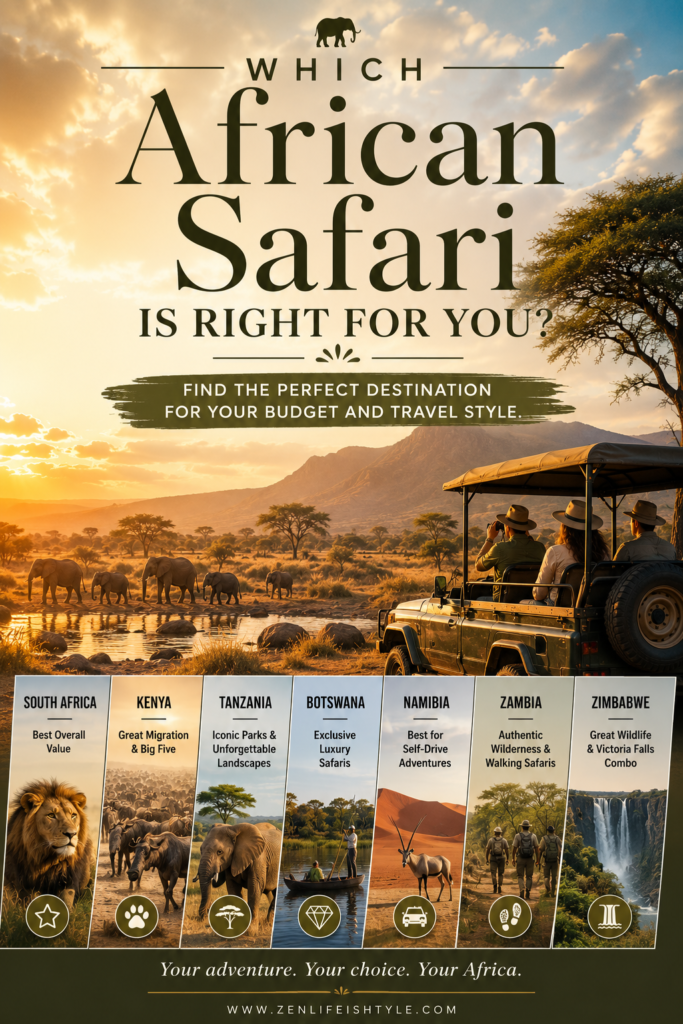
Best for First-Time Safari Visitors: 🇿🇦 South Africa
If you’ve never been on safari before, South Africa is hard to beat. Excellent roads, modern infrastructure, affordable accommodation, and the option to self-drive through Kruger National Park make it one of the easiest countries to explore.
It also combines exceptionally well with destinations like Cape Town, the Garden Route, and the Winelands, allowing you to enjoy wildlife, beaches, wine, and city life in a single trip.
Why choose South Africa?
Affordable safari packages
Easy international access
Excellent Big Five sightings
Self-drive flexibility
Great for families and first-time visitors
Related reading: Best Safari for First-Time Visitors: Where to Go for Your First African Safari
Best Luxury Safari: 🇧🇼 Botswana
For travelers seeking exclusivity, privacy, and exceptional service, Botswana stands out as Africa’s premier luxury safari destination.
Its high-value, low-volume tourism model means fewer visitors, spectacular wildlife, and some of the finest safari lodges in the world. Exploring the Okavango Delta by mokoro or staying in a remote fly-in camp creates an unforgettable experience.
Best for:
Luxury travelers
Honeymooners
Repeat safari visitors
Exclusive wildlife experiences
Best Budget Safari: 🇳🇦 Namibia
If you’re looking to keep costs down without sacrificing the experience, Namibia offers outstanding value.
Self-drive safaris, excellent campsites, affordable lodges, and relatively low park fees make it one of Africa’s most cost-effective safari destinations. Combining Etosha National Park with Sossusvlei and the Skeleton Coast also provides incredible variety.
Best for:
Budget travelers
Independent explorers
Road trips
Camping safaris
Best Wildlife Viewing: 🇹🇿 Tanzania
Few destinations rival Tanzania for sheer wildlife abundance.
The combination of the Serengeti National Park, Ngorongoro Crater, Tarangire National Park, and Lake Manyara National Park creates one of the richest safari ecosystems on Earth.
Large predator populations, massive herbivore herds, and incredible biodiversity ensure exceptional game viewing throughout the year.
Best for the Great Migration: 🇹🇿 Tanzania (with 🇰🇪 Kenya)
Although the Great Migration moves between Tanzania and Kenya, Tanzania offers the opportunity to witness the migration during much of the year as the herds move across the Serengeti ecosystem.
From July to October, the dramatic river crossings often take place in Kenya’s Maasai Mara National Reserve, making Kenya equally attractive during this period.
If your trip is centred solely around the migration, plan your destination according to the month you’re travelling.
Related reading: When Is the Best Time to Go on an African Safari?
Best Walking Safaris: 🇿🇲 Zambia
If you want to experience Africa on foot, Zambia is unmatched.
Often considered the birthplace of the modern walking safari, South Luangwa National Park and Lower Zambezi National Park allow visitors to explore the bush alongside highly trained guides and armed scouts.
Walking through the wilderness offers a completely different perspective from traditional game drives and is often considered the most immersive safari experience.
Best Self-Drive Safari: 🇿🇦 South Africa & 🇳🇦 Namibia
For travelers who enjoy complete freedom, both South Africa and Namibia are excellent choices.
South Africa offers outstanding wildlife and excellent roads.
Namibia combines spectacular landscapes with quiet roads and exceptional camping facilities.
If your dream safari involves driving at your own pace and choosing your own itinerary, these two countries offer the best value.
Best Safari Photography: 🇹🇿 Tanzania
Wildlife photographers consistently rank Tanzania among Africa’s finest photography destinations.
The endless plains of the Serengeti, dramatic landscapes of the Ngorongoro Crater, golden light, abundant predators, and seasonal Great Migration provide endless photographic opportunities.
Botswana and Zambia are also exceptional choices for photographers seeking more exclusive wildlife encounters with fewer safari vehicles.
Best Honeymoon Safari: 🇧🇼 Botswana
For couples seeking romance, privacy, and unforgettable experiences, Botswana takes the top spot.
Luxury tented camps, candlelit dinners under the stars, helicopter flights over the Okavango Delta, and private game drives create an extraordinary honeymoon.
Many couples also combine Botswana with Victoria Falls or the beaches of Mauritius or the Seychelles for the ultimate bush-and-beach escape.
Related reading: Best Safari and Beach Holidays in Africa
Best Family Safari: 🇿🇦 South Africa
South Africa is one of the easiest safari destinations for families.
Many lodges welcome children, malaria-free reserves are available, travel logistics are straightforward, and the variety of activities beyond safari makes it easy to keep everyone entertained.
Families can combine wildlife viewing with Cape Town, penguins at Boulders Beach, whale watching, scenic drives, and beautiful beaches.
Our Overall Verdict
Every African safari destination has something unique to offer, but if you’re looking for the best value based on your travel goals, here’s a quick summary:
Travel Goal | Best Country |
|---|---|
First-time safari | 🇿🇦 South Africa |
Luxury safari | 🇧🇼 Botswana |
Budget safari | 🇳🇦 Namibia |
Best wildlife | 🇹🇿 Tanzania |
Great Migration | 🇹🇿 Tanzania / 🇰🇪 Kenya |
Walking safaris | 🇿🇲 Zambia |
Self-drive safari | 🇿🇦 South Africa / 🇳🇦 Namibia |
Wildlife photography | 🇹🇿 Tanzania |
Honeymoon safari | 🇧🇼 Botswana |
Family safari | 🇿🇦 South Africa |
Our Verdict
Every safari destination featured in this guide offers something special, but choosing the best one ultimately depends on the type of experience you’re looking for.
If you’re planning your first African safari, South Africa offers outstanding value and flexibility. If witnessing the Great Migration is your dream, Tanzania and Kenya are the clear choices. Travelers seeking luxury and exclusivity will find Botswana hard to beat, while Namibia delivers exceptional value for those who enjoy self-drive adventures. Meanwhile, Zambia and Zimbabwe remain excellent options for experienced safari-goers looking for authentic wilderness, expert guiding, and fewer crowds.
The good news is that there isn’t a wrong choice—only the destination that best matches your travel style and budget.
Before booking your trip, we also recommend reading our Best Safari for First-Time Visitors guide if you’re new to African safaris, our When Is the Best Time to Go on an African Safari? article to choose the ideal travel season, and our What to Pack for an African Safari checklist to make sure you’re fully prepared for your adventure. These guides will help you plan a safari that’s not only unforgettable but also offers the best possible value for your budget.
Hidden Safari Costs to Budget For
When comparing safari packages, it’s easy to focus on the headline price. However, the advertised cost is rarely the total amount you’ll spend.
Depending on the country you visit, the time of year, and your travel style, several additional expenses can quickly increase your overall budget. Knowing what these hidden costs are before you book will help you compare safari packages more accurately and avoid unpleasant surprises.
If you’re still deciding where to go, our African Safari Cost Comparison by Country guide explains how these extra costs differ between destinations.
International Flights
For many travelers, international flights are the second-largest expense after the safari itself.
Flight prices can vary significantly depending on your departure city, airline, and the season. Travelling during school holidays or the peak safari months of July to October often means paying considerably more than during the shoulder or green seasons.
One of the easiest ways to reduce your safari budget is to book your flights early and travel during the shoulder season. If you’re unsure when to travel, our guide on When Is the Best Time to Go on an African Safari? explains how safari seasons affect both wildlife viewing and prices.
Internal Flights
Not every safari begins at the airport.
Many of Africa’s most spectacular safari camps are located deep inside national parks or private concessions, making domestic flights a necessary part of the journey.
Internal flights are particularly common in:
Botswana’s Okavango Delta
Tanzania’s Serengeti National Park
Zambia’s South Luangwa and Lower Zambezi National Parks
Zimbabwe’s Mana Pools National Park
Although these flights increase the overall cost, they dramatically reduce travel time and allow you to experience some of Africa’s most remote wilderness areas.
You’ll notice when reading our African Safari Cost Comparison by Country that destinations such as Botswana and Tanzania are generally more expensive partly because internal flights are often included in luxury itineraries.
Travel Insurance
Travel insurance is one cost that should never be considered optional.
Safaris often take place in remote areas where medical treatment and emergency evacuation can be extremely expensive. A comprehensive travel insurance policy provides peace of mind should anything unexpected happen before or during your trip.
Whether you’re visiting South Africa or venturing into the remote wilderness of Zambia, travel insurance should always be part of your safari budget.
Visa Fees
Visa costs are another expense that’s easy to overlook.
Some African countries offer visa-free entry for certain nationalities, while others require an eVisa or visa on arrival. If your itinerary includes multiple countries—perhaps combining Botswana with Zimbabwe or Kenya with Tanzania—you may need to budget for several visas.
Before booking, it’s always worth checking the latest entry requirements for every country on your itinerary.
Tips and Gratuities
Unlike many holiday packages, safari prices often don’t include tips.
Although tipping is entirely voluntary, it is customary throughout much of Africa to reward excellent service. Safari guides, trackers, lodge staff, drivers, and porters all contribute to making your safari memorable, and many travelers choose to show their appreciation through gratuities.
It’s a good idea to include a tipping budget when calculating the total cost of your safari.
Laundry Services
If you’re travelling for more than a few days, laundry may become another unexpected expense.
Many luxury safari camps include complimentary daily laundry, while mid-range and budget lodges usually charge per item.
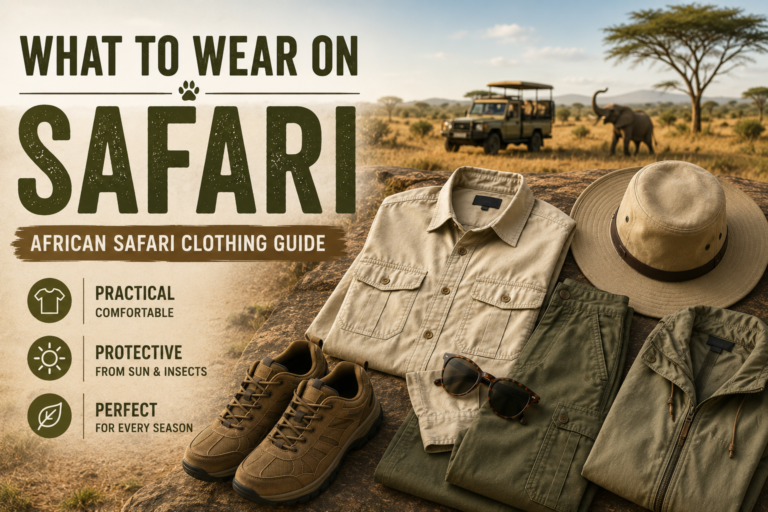
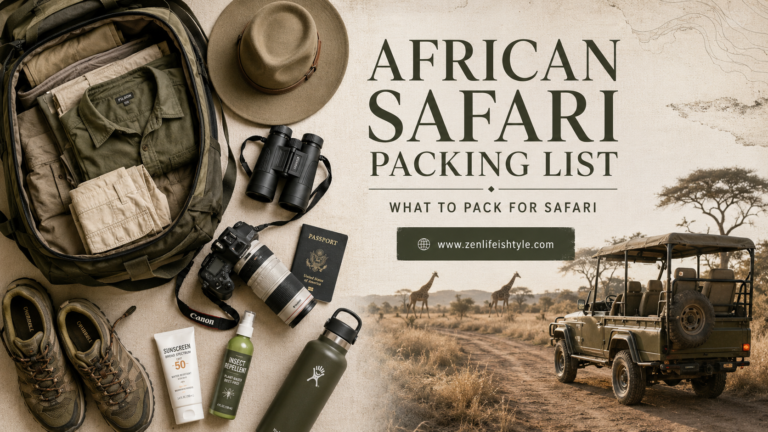
Packing lightweight, quick-drying clothing can help keep these costs to a minimum. Our What to Pack for an African Safari guide includes practical packing tips to help you travel lighter and smarter.
Alcoholic Drinks
Many safari packages advertise full board or all-inclusive accommodation, but not all drinks are included.
Some luxury lodges provide premium wines, spirits, cocktails, and beers as part of the package, while others include only meals and soft drinks.
If you enjoy a sundowner overlooking the African bush or a glass of wine with dinner, it’s worth checking exactly what’s included before booking.
Conservation and Park Fees
Conservation fees are one of the largest hidden costs on many African safaris.
These fees help protect wildlife, maintain national parks, and support local communities. Depending on the destination, they may already be included in your quotation—or charged separately.
Countries such as Tanzania, Kenya, and Botswana generally have higher conservation fees than South Africa or Namibia, which is one of the reasons safari prices vary so much between countries. Our African Safari Cost Comparison by Country guide explains these differences in more detail.
Optional Activities
Game drives are usually included in your safari package, but many lodges also offer optional experiences at an additional cost.
Some of the most popular upgrades include:
Hot air balloon safaris
Helicopter flights
Mokoro canoe excursions
Walking safaris
Boat cruises
Cultural village visits
Bush breakfasts and dinners
Fishing trips
Spa treatments
These activities aren’t essential, but they can transform an already memorable safari into a once-in-a-lifetime experience.
If you’re looking for ideas, our guide to The Best Countries to visit in Africa explores some of the most unforgettable activities available across the continent.
Airport Transfers
Airport transfers are another cost that’s often overlooked.
Some safari operators include road transfers or charter flights in the overall package, while others charge separately. This is especially important if you’re staying in a remote safari camp where charter flights may be the only practical way to reach your accommodation.
Before confirming your booking, always ask exactly what transfers are included.
Budget for the Whole Safari, Not Just the Package Price
The best safari isn’t necessarily the cheapest package—it’s the one with the fewest unexpected costs.
Before making your final decision, compare what each quotation includes. Two safaris with similar prices may offer very different value once you factor in park fees, internal flights, transfers, drinks, gratuities, and optional activities.
If you’re still planning your adventure, these guides will help you budget more accurately and choose the right destination:
African Safari Cost Comparison by Country — Compare the overall cost of visiting South Africa, Kenya, Tanzania, Botswana, Namibia, Zambia, and Zimbabwe.
Best Safari for First-Time Visitors — Discover which safari destination best matches your travel style and budget.
When Is the Best Time to Go on an African Safari? — Learn how the seasons affect wildlife viewing and safari prices.
What to Pack for an African Safari — Pack smarter and avoid unnecessary luggage or clothing expenses.
Best Safari and Beach Holidays in Africa — Find the perfect combination of wildlife adventures and tropical relaxation.
Reading these guides together will give you a complete picture of what an African safari really costs, helping you plan with confidence and make the most of your budget.
How to Save Money on an African Safari
An African safari doesn’t have to cost a fortune. While luxury safaris can easily cost several thousand dollars per person, there are plenty of ways to reduce your expenses without compromising the experience.
By choosing the right destination, travelling at the right time, and planning your itinerary carefully, you can save hundreds—or even thousands—of dollars on your safari.
Travel During the Green Season
One of the easiest ways to reduce your safari costs is to travel during the green season, which generally falls between March and May in much of Southern and East Africa.
During this period, many lodges offer substantial discounts, sometimes reducing accommodation prices by 20% to 50% compared to peak season. National parks are quieter, the landscapes are lush and green, and birdwatching is often at its best.
Although wildlife can be slightly more difficult to spot because of thicker vegetation, many travelers find the lower prices and peaceful atmosphere well worth the trade-off.
If you’re unsure whether the green season is right for you, our guide to When Is the Best Time to Go on an African Safari? explains the advantages and disadvantages of travelling during each season.
Travel During the Shoulder Season
If you’d like to enjoy excellent wildlife viewing without paying peak-season prices, consider travelling during the shoulder season.
Months such as January, February, November, and early December often offer a great balance between lower prices, pleasant weather, and good game viewing.
Many safari operators also run seasonal promotions during these quieter periods, making it easier to enjoy luxury accommodation at a more affordable price.
Book Early
The best safari camps often fill up months—sometimes even a year—in advance.
Booking early not only gives you access to the widest choice of accommodation but can also unlock early booking discounts and lower international airfares.
This is particularly important if you’re planning to visit during the Great Migration or school holiday periods, when demand is highest.
If you’re still deciding where to travel, our Best Safari for First-Time Visitors guide compares the top destinations and can help you choose the safari that offers the best value for your budget.
Join a Small Group Safari
Private safaris offer maximum flexibility, but they also come with a higher price tag.
Joining a small group safari allows you to share the cost of the safari vehicle, guide, fuel, and park fees with other travelers, often reducing the overall cost significantly.
Many group departures still offer excellent wildlife viewing while providing a more affordable alternative to private safaris.
Stay Outside National Parks
Accommodation located inside national parks is often more expensive because of its exclusive location and additional conservation fees.
Choosing a lodge or guesthouse just outside the park gates can dramatically reduce accommodation costs while still allowing easy access to daily game drives.
This strategy works particularly well in destinations such as Kruger National Park and Etosha National Park, where excellent accommodation is available both inside and outside the parks.
Combine Destinations Wisely
Rather than flying between several countries, consider combining nearby destinations that naturally complement one another.
For example:
South Africa + Cape Town
Botswana + Victoria Falls
Kenya + Tanzania
Tanzania + Zanzibar
These combinations often reduce transport costs while giving you a richer travel experience.
If you’re looking for inspiration, our guide to Best Safari and Beach Holidays in Africa showcases some of the most popular bush-and-beach itineraries across the continent.
Avoid Unnecessary Internal Flights
Domestic flights save time, but they can also account for a significant portion of your safari budget.
Whenever practical, choose itineraries that minimize the number of internal flights or focus on destinations that are easily accessible by road.
For example, South Africa and Namibia offer excellent self-drive and road-based safaris, while countries such as Botswana often rely heavily on charter flights to reach remote safari camps.
Our African Safari Cost Comparison by Country guide explains why destinations with frequent internal flights generally cost more.
Choose Fewer Park Changes
It can be tempting to visit as many national parks as possible, but every park change usually adds extra transport, park entrance fees, accommodation changes, and travel time.
Instead of trying to visit five or six parks in one trip, consider spending more time in two or three outstanding destinations.
Not only will this reduce your costs, but it also gives you more time to enjoy wildlife sightings instead of constantly moving between lodges.
Smart Planning Can Save Thousands
The cheapest safari isn’t always the best value. Often, a well-planned itinerary with fewer transfers, carefully chosen travel dates, and the right destination delivers a far better experience for the same budget.
By travelling during the shoulder or green season, booking early, limiting internal flights, and choosing destinations that suit your travel style, you can enjoy an unforgettable African safari without overspending.
Suggested Safari Budgets
Every traveler has a different budget, but the examples below provide a realistic idea of what you can expect to spend on an African safari. These estimates include accommodation, meals, game drives, and park activities, but exclude international flights, which vary depending on where you’re travelling from.
Traveller Type | Suggested Budget | What to Expect |
|---|---|---|
Backpacker | US$1,200–2,000 | 5–7 days, camping or budget lodges, shared safari vehicle, destinations such as South Africa or Namibia. |
Couple | US$3,500–6,000 | 7–10 days, comfortable mid-range lodges, guided game drives, ideal for South Africa, Kenya, Tanzania, or Zimbabwe. |
Family of Four | US$6,500–12,000 | 7–10 days in family-friendly lodges with private rooms, children’s activities, and shared or private game drives. South Africa is often the best value. |
Luxury Couple | US$10,000–20,000+ | 7–10 days in luxury lodges or tented camps, fly-in safaris, gourmet dining, premium drinks, private game drives, and exceptional service in destinations such as Botswana or Tanzania. |
Which Budget Is Right for You?
Your ideal safari budget depends on the type of experience you’re looking for rather than simply how much you’re willing to spend.
If you’re travelling on a limited budget, our African Safari Cost Comparison by Country will help you identify destinations such as South Africa and Namibia, where you can enjoy exceptional wildlife without paying luxury prices.
If you’re planning your very first safari, don’t miss our guide to Best Safari for First-Time Visitors, which explains which countries offer the best balance of affordability, wildlife, and ease of travel.
Wondering when prices are at their lowest? Our article on When Is the Best Time to Go on an African Safari? explains how travelling during the shoulder or green season can significantly reduce your costs.
Finally, before you leave home, read What to Pack for an African Safari to make sure you have everything you need without paying unnecessary baggage fees or buying forgotten essentials at your destination.
With careful planning and realistic budgeting, an African safari is far more achievable than many people think—and the memories you’ll bring home are priceless.
Frequently Asked Questions
How much does an African safari cost?
The cost of an African safari depends on your destination, accommodation, travel style, and the time of year you visit. As a general guide, budget safaris start from around US$150–300 per person per night, mid-range safaris typically cost US$300–800, while luxury safaris can range from US$800 to over US$3,000 per person per night.
If you’d like to compare prices across the continent, our African Safari Cost Comparison by Country guide breaks down the average costs for South Africa, Kenya, Tanzania, Botswana, Namibia, Zambia, and Zimbabwe.
Is Kenya cheaper than Tanzania?
In most cases, Kenya is slightly cheaper than Tanzania.
While both countries offer world-class wildlife and the opportunity to witness the Great Migration, Tanzania generally has higher national park fees, longer travel distances between parks, and more frequent use of internal flights, all of which increase the overall cost.
If your main goal is to experience the Great Migration, our guide on When Is the Best Time to Go on an African Safari? explains whether Kenya or Tanzania offers the best experience during your travel dates.
Why are Botswana safaris so expensive?
Botswana follows a high-value, low-impact tourism model designed to protect its fragile ecosystems while limiting visitor numbers.
Many safari camps are located in remote private concessions or the Okavango Delta, which often require charter flights to reach. Combined with luxurious accommodation, exceptional guiding, and exclusive wildlife experiences, this makes Botswana one of Africa’s most expensive safari destinations—but also one of its finest.
Is South Africa the cheapest safari destination?
South Africa is not always the absolute cheapest, but it consistently offers the best overall value for money.
Its excellent infrastructure, affordable accommodation, self-drive opportunities, and wide range of safari options make it one of the most cost-effective destinations for first-time visitors, couples, and families.
If you’re still deciding where to go, our Best Safari for First-Time Visitors guide explains why South Africa is often the top recommendation for beginners.
Can I do an African safari on a budget?
Absolutely.
Many travelers assume safaris are only for luxury travelers, but there are plenty of affordable options available.
Choosing destinations such as South Africa or Namibia, travelling during the shoulder or green season, joining small group safaris, and staying outside national parks can significantly reduce your costs without compromising the experience.
How many days should I spend on safari?
For most travelers, 7 to 10 days offers the best balance between cost and experience.
This gives you enough time to visit two or three national parks without spending too much time travelling between destinations.
If you’re combining a safari with a beach holiday or city break, consider allowing 10 to 14 days in total. This is especially popular for itineraries that combine Tanzania with Zanzibar, Botswana with Victoria Falls, or South Africa with Cape Town.
If you’re still planning your itinerary, our Best Safari and Beach Holidays in Africa guide offers some excellent combinations.
What is the best country for a first African safari?
For most first-time visitors, South Africa offers the best combination of affordability, accessibility, wildlife, and excellent tourism infrastructure.
However, if your dream is to witness the Great Migration, Kenya or Tanzania may be a better choice depending on the time of year.
Our Best Safari for First-Time Visitors guide compares each destination in detail to help you choose the one that’s right for you.
When is the cheapest time to go on safari?
The green season (typically March to May) and the shoulder season (January, February, November, and early December) often offer the best value.
During these periods, many lodges reduce their rates, parks are less crowded, and you’ll often find excellent special offers.
For a month-by-month breakdown, see our guide to When Is the Best Time to Go on an African Safari?
Final Verdict: Which African Safari Destination Offers the Best Value?
Africa offers some of the most extraordinary wildlife experiences on Earth, and each safari destination has its own unique strengths. Rather than asking which country is the best, it’s more useful to ask which country is the best for your travel style, expectations, and budget.
Here’s our final verdict:
South Africa — The best overall value, offering affordable safaris, outstanding wildlife, excellent infrastructure, and the freedom of self-drive adventures, making it perfect for first-time visitors and families.
Kenya — Delivers a superb balance of wildlife, accessibility, and value, especially for travelers hoping to experience the legendary Maasai Mara and the Great Migration.
Tanzania — Home to some of Africa’s most iconic safari landscapes, including the Serengeti and Ngorongoro Crater, offering unforgettable wildlife experiences at a generally higher price.
Botswana — The ultimate choice for luxury travelers, combining exclusive safari camps, pristine wilderness, and exceptional wildlife viewing in destinations such as the Okavango Delta.
Namibia — One of Africa’s best-value safari destinations, particularly for independent travelers who enjoy self-drive adventures, dramatic landscapes, and unforgettable road trips.
Zambia — A hidden gem that rewards adventurous travelers with authentic wilderness, world-class walking safaris, and remarkably uncrowded national parks.
Zimbabwe — Offers excellent wildlife, highly respected safari guides, and outstanding value, particularly when combined with a visit to the spectacular Victoria Falls.
So, Which Safari Should You Choose?
If you’re planning your first safari, start with our Best Safari for First-Time Visitors guide.
If your travel dates are flexible, read When Is the Best Time to Go on an African Safari? to discover how the seasons affect wildlife viewing, crowds, and prices.
Still comparing destinations? Our African Safari Cost Comparison by Country guide will help you understand exactly what your budget can buy in each country.
And before you zip up your suitcase, don’t forget to read What to Pack for an African Safari so you’re fully prepared for the adventure ahead.
Whichever destination you choose, one thing is certain: an African safari is far more than a holiday. It’s an unforgettable journey into some of the world’s last great wilderness areas—one that will leave you with memories to last a lifetime.